
Musicals have a lot to teach new opera about the art of telling a story
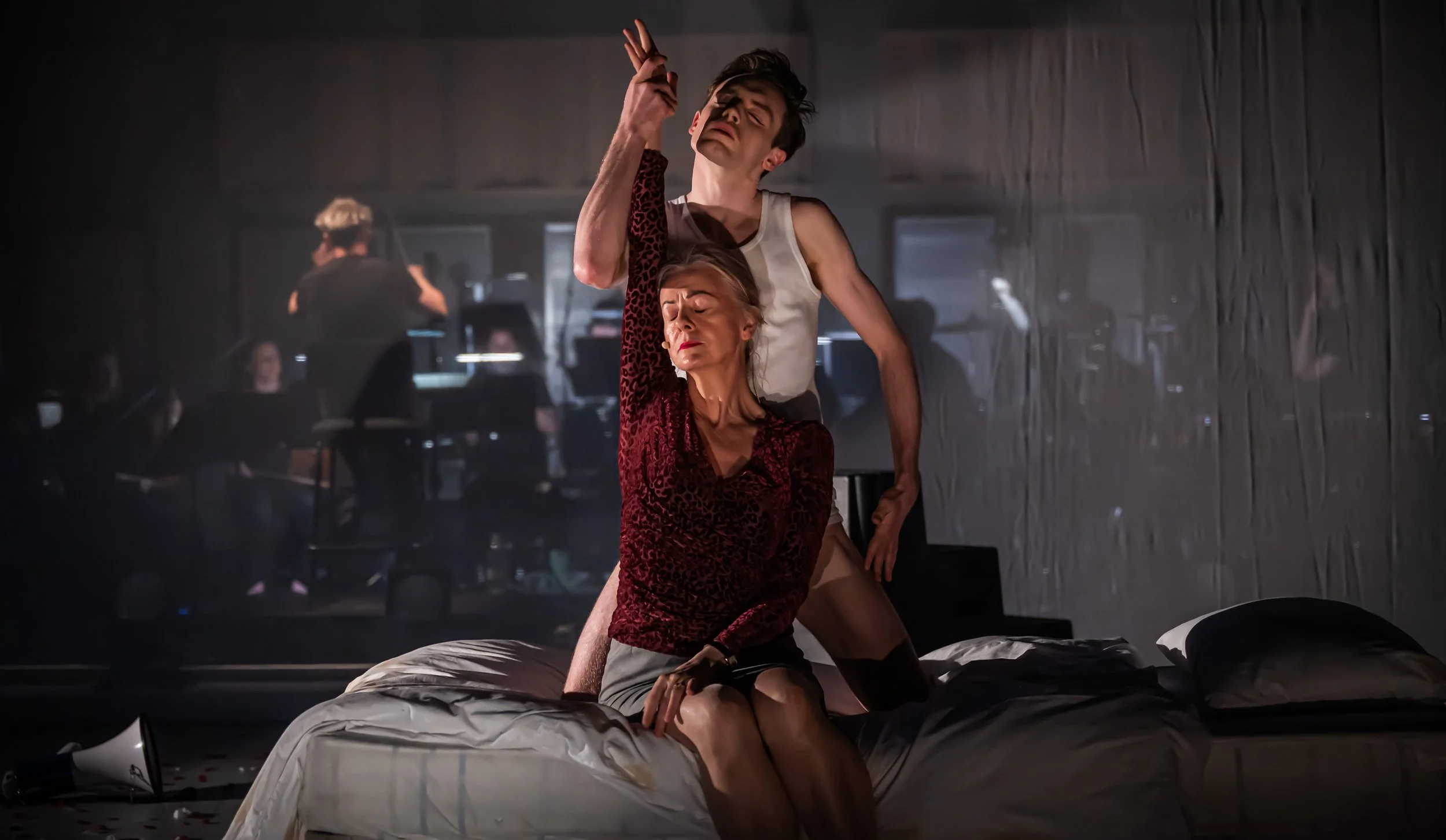
“Such fun!” These two words have been echoing in my head for about a month, slowly eating my soul.
Someone said them to me just after a concert premiere of a new musical of mine. Megalomaniac that I am, I had written the book, music, lyrics and orchestrated it for a 24-piece orchestra. Then, like a sadist, I conducted it in front of hundreds of people in Ireland. It was a Herculean effort to get to that performance.
So, when I asked a colleague, whose opinion I respect: “Well?” and they responded: “Such fun!” my world fell apart. Fun? The plot wasn’t fun. The music wasn’t fun. The characters mostly die of poverty, and that wasn’t fun. So why “fun”?
Context will help. I’m a theatremaker who moves between the worlds of contemporary opera and musical theatre, composing scores across the genres. I have a classical background, but in my heart, I am a theatre man. Correction, a song and dance man.
Theatre always felt like home, not the concert hall. When I tasted the forbidden fruit of Sondheim-flavoured musical theatre, I loved it. I learned a lot in terms of structure, character, navigating actors and rehearsal rooms, how to bring an audience with you as a narrative unpacks – or doesn’t. It was a dramatic crash course in the sanctity of story through song.
These days, I make political operas, large symphonic pieces and pretty much anything I feel like – including musicals. So, when my colleague summed up their night with those two words, it got me thinking: if the same person had seen my last opera, would that have been “such fun”? More likely they’d say “such scale” or “such performances” or – if they hated it – “such a lot to think to about”.
Don’t get me wrong. They weren’t throwing a grenade. They just didn’t see musicals. They had no language for it. Well, apart from those two words, which betray a dismissive attitude to musical theatre writing – one that fails to see the lessons musicals can teach new opera.
There’s an assumption that musical theatre is a lesser art form – more high street than couture. And in some ways, it is. Let’s face facts: opera employs more athletically elite voices. The music is dense, complex. The score paints a character’s psychological choices, conflicts – not just their actions. The composers are skilled orchestrators at the top of their game – technicians who carve symphonic sound out of silence. This takes decades of training and specialism.
Audiences have evolved to recognise this. They’re alive to the skill, open to the innovations they hear and – dare I say it – pride themselves on being able to.
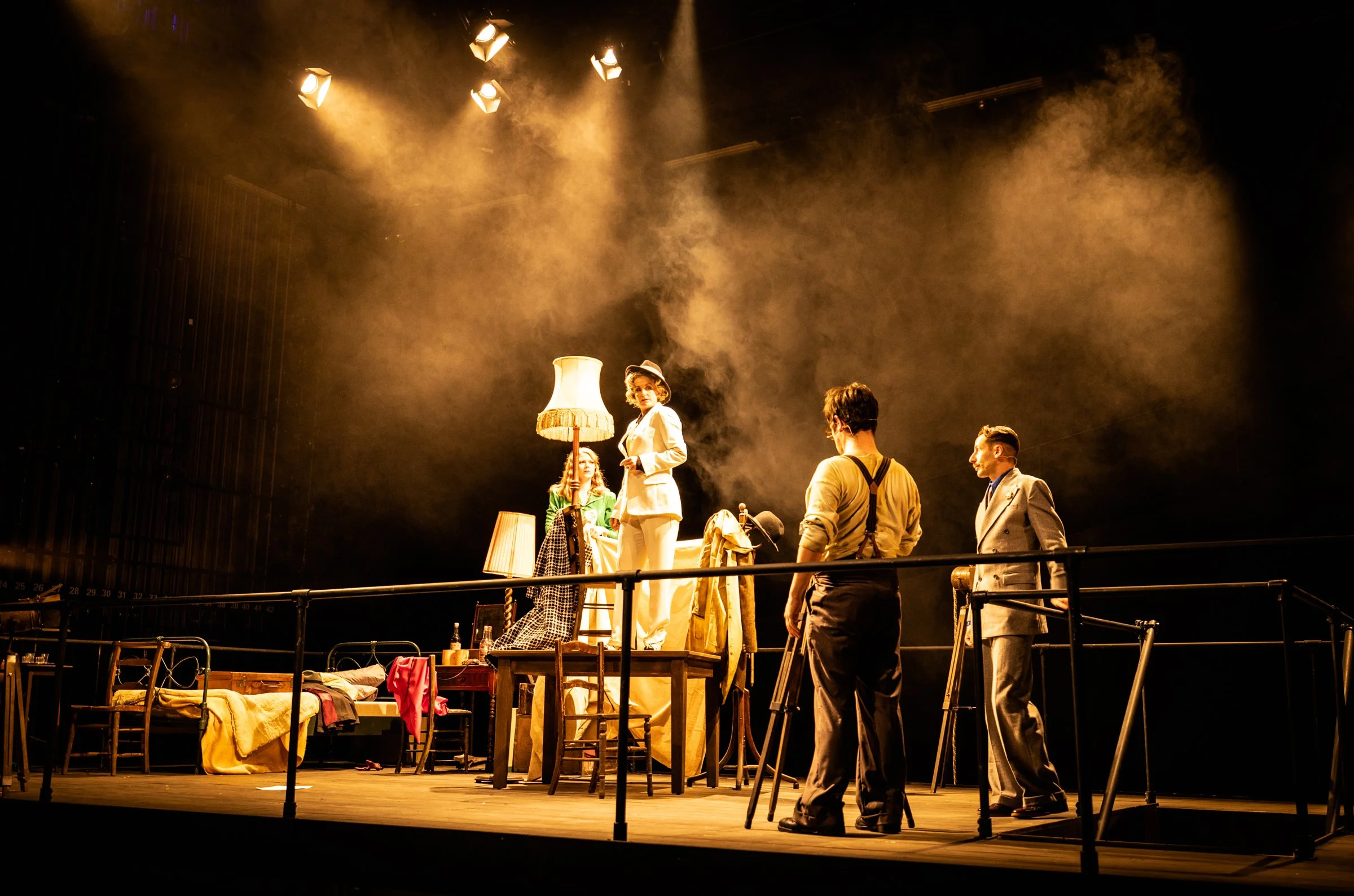
But can this cultivated operagoers’ attitude lead to an assumption that creating musical theatre, with its rigorous key signatures, tunes and album-like structures, is less of a feat, less athletic? After all, it’s simpler, direct and often wanting desperately to be loved by its audience. The scores aren’t in long form – they are a collage of independent songs that have (or don’t) a regular relationship of key, form and harmony. They’re one word, one note, unlike the operatic word painting that swims in the joy of a singular vowel for minutes. Even a Sondheim – the perceived pinnacle of the genre – is still, at its core, a love letter to simple song form. He once critiqued my own youthful writing with “get to the next song, Conor!” He was – as always – right.
The craft of good musicals – and I do mean craft – is to accept the importance of popular song as an art form in itself and shape it into something new – a drama. And this is what I think musicals, when done well, can teach opera.
The people who make great musicals are theatre people. They aren’t looking to the innovation of sound. They are steeped in the catalogue. They are as familiar with Little Shop of Horrors (a structural masterpiece) as they are with A Little Night Music. The variety of the genre means performers have to effortlessly switch between styles and techniques. Their taste might rule some out, but when you think that the same genre houses Sweeney Todd, Hamilton and Grease, these artists are musical supercomputers.
They know about unity of sound and how one style can be enough to cement a story in the mind of the audience. Take Little Shop and Motown, Rocky Horror and glam rock, or Cabaret and Berliner. The score and scenario are working holistically. Opera rarely – if ever – does this. The score is traditionally an illustration of the composer’s voice, mostly – not the story.
A musical is all about ‘how we tell that story’. That, for me, is what musicals can teach opera. If I had one complaint about new operas – prepare for a gross generalisation – it’s that they’re undramatic. And that’s a problem when the whole point of the exercise is to enhance a drama with music.
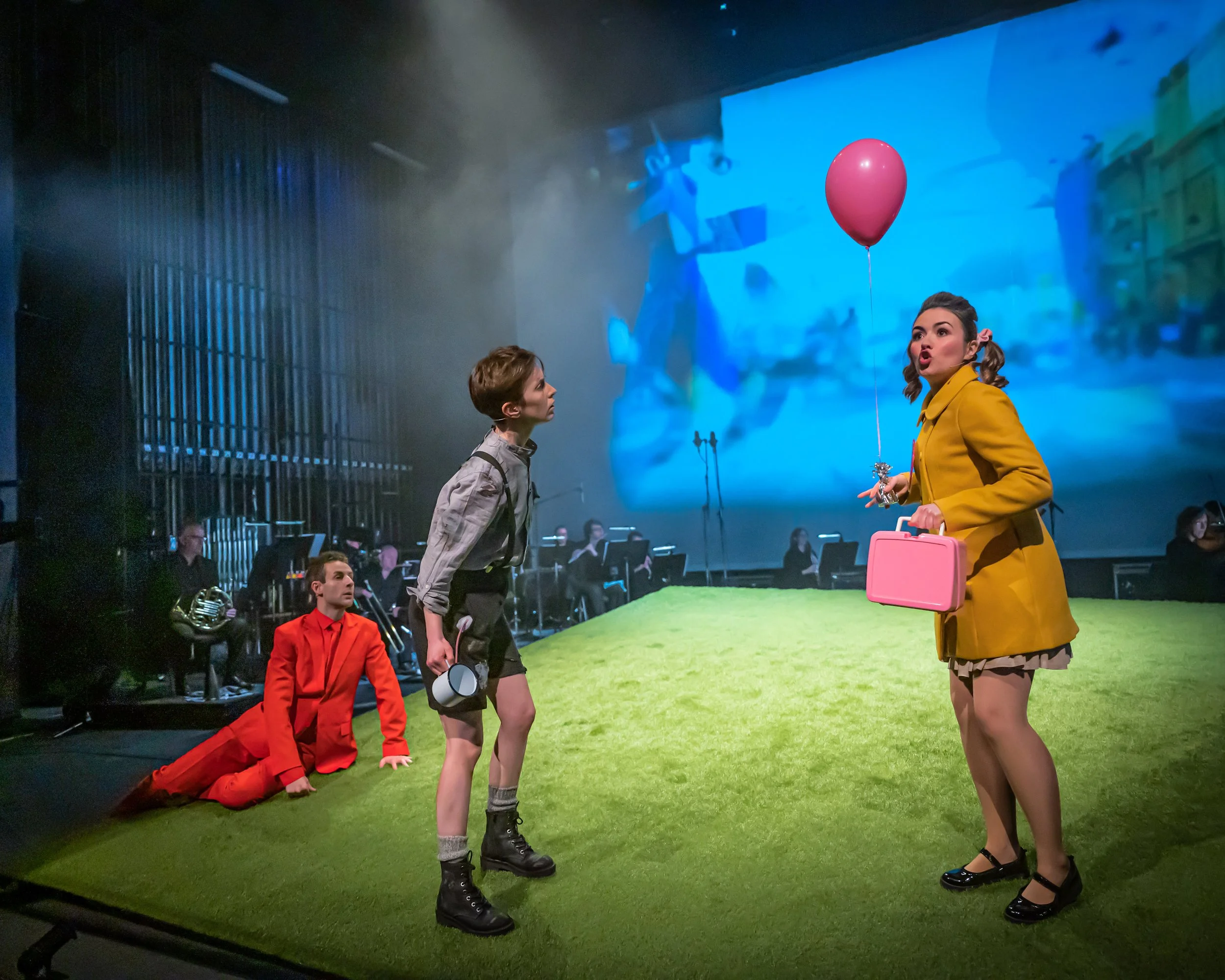
Young composers often feel they should write an opera because that’s what composers do. I’ve spoken to a lot of composers who are in the middle of creating something, and when I ask them what the last play they saw was, they can’t answer me. If they don’t see plays, they certainly haven’t seen Evita. The work can then become a sort of watercolour. I want oils!
If assumptions about musicals being lowbrow are challenged, new opera composers might see how the dramatic language of the oft-maligned Lloyd Webber and his (wrongly) perceived better Sondheim are actually very similar: they both smash form and play with narrative architecture. Well, in their early days.
Far from being lesser, good musical theatre writers are constantly evolving how stories are told with music. Often, the commerciality of the industry means they can’t duplicate another show’s style, meaning each successful musical is its own thing, completely unique and distinct. How many operas can we say this about?
The opera writers that I love are the ones engaging with musical theatre storytelling and the power of song. Anna Nicole, for me, owed more to Sondheim than to Schoenberg, and the one response I heard again and again after Festen was “it’s SO dramatic”. Mark-Anthony Turnage, who wrote both these operas, is a master storyteller and as alive to film as he is to Beyoncé and Follies.
This cross-pollination of ideas and genres is what we need. Jeanine Tesori (Shrek) is now writing operas. And we can’t ignore the power of Leonard Bernstein’s own self-pollination oeuvre.
So, this fairly snobbish assumption that musicals exist in a Starlight Express vacuum of naivety is wrong. More than wrong, it’s limiting. Musicals can teach opera to think like it did in the days of Verdi – song-led, story-driven and unique. Breaking down assumptions and getting audiences to cross over ultimately benefits both of these brilliant, dynamic – and quite distinct – art forms.
And maybe when I see a new opera created by a composer wearing a Hamilton T-shirt, I’ll say: “Such joy!”